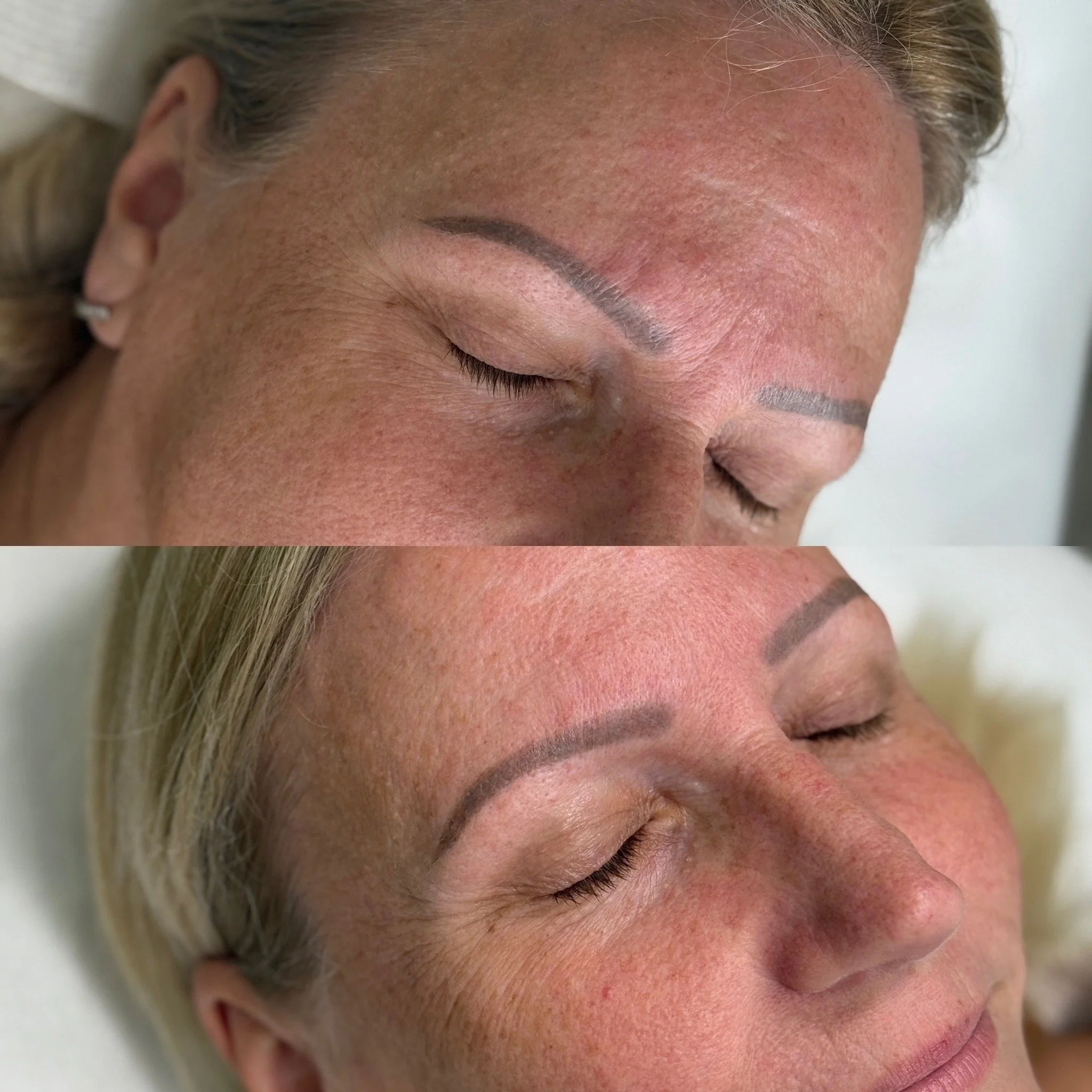
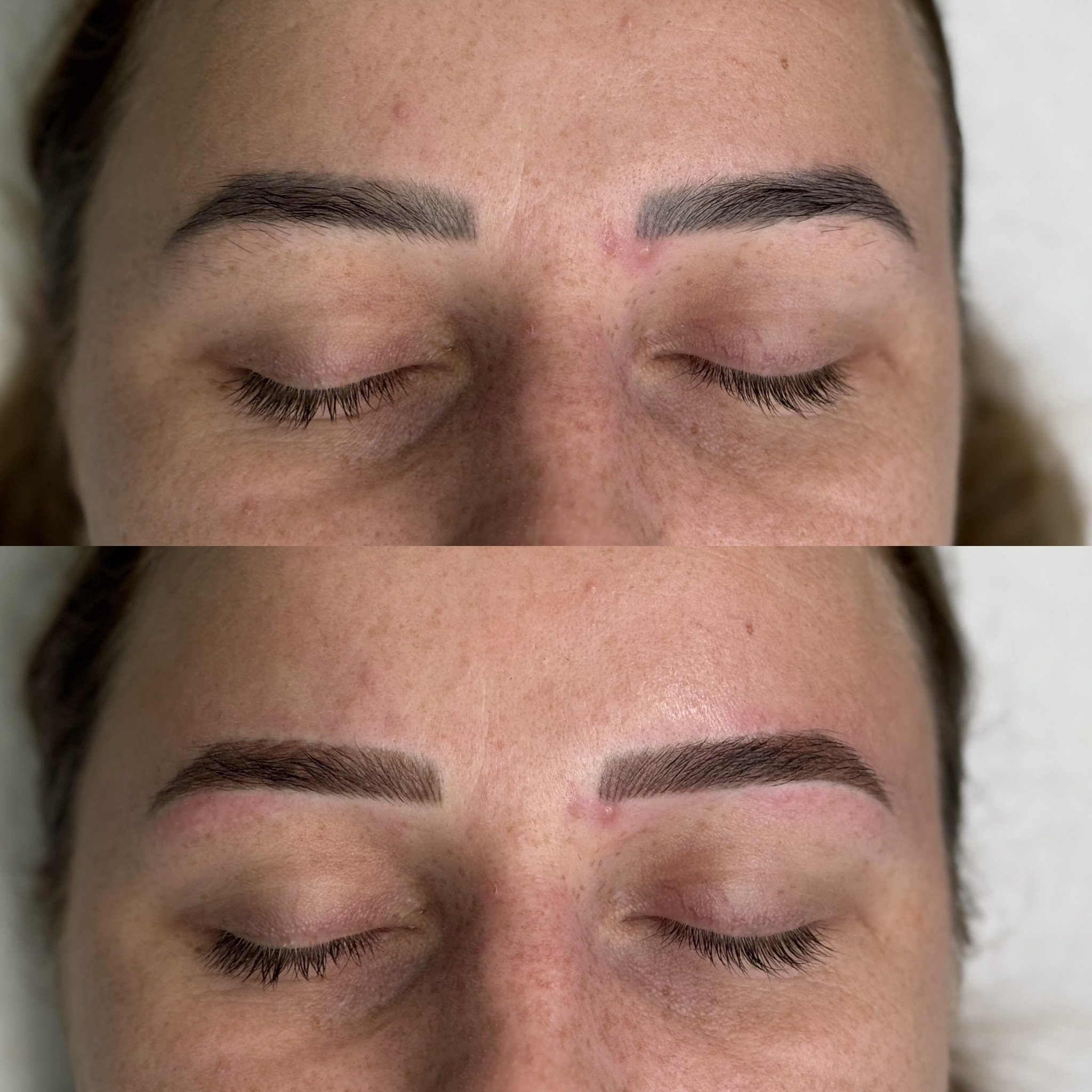
Colour Correction
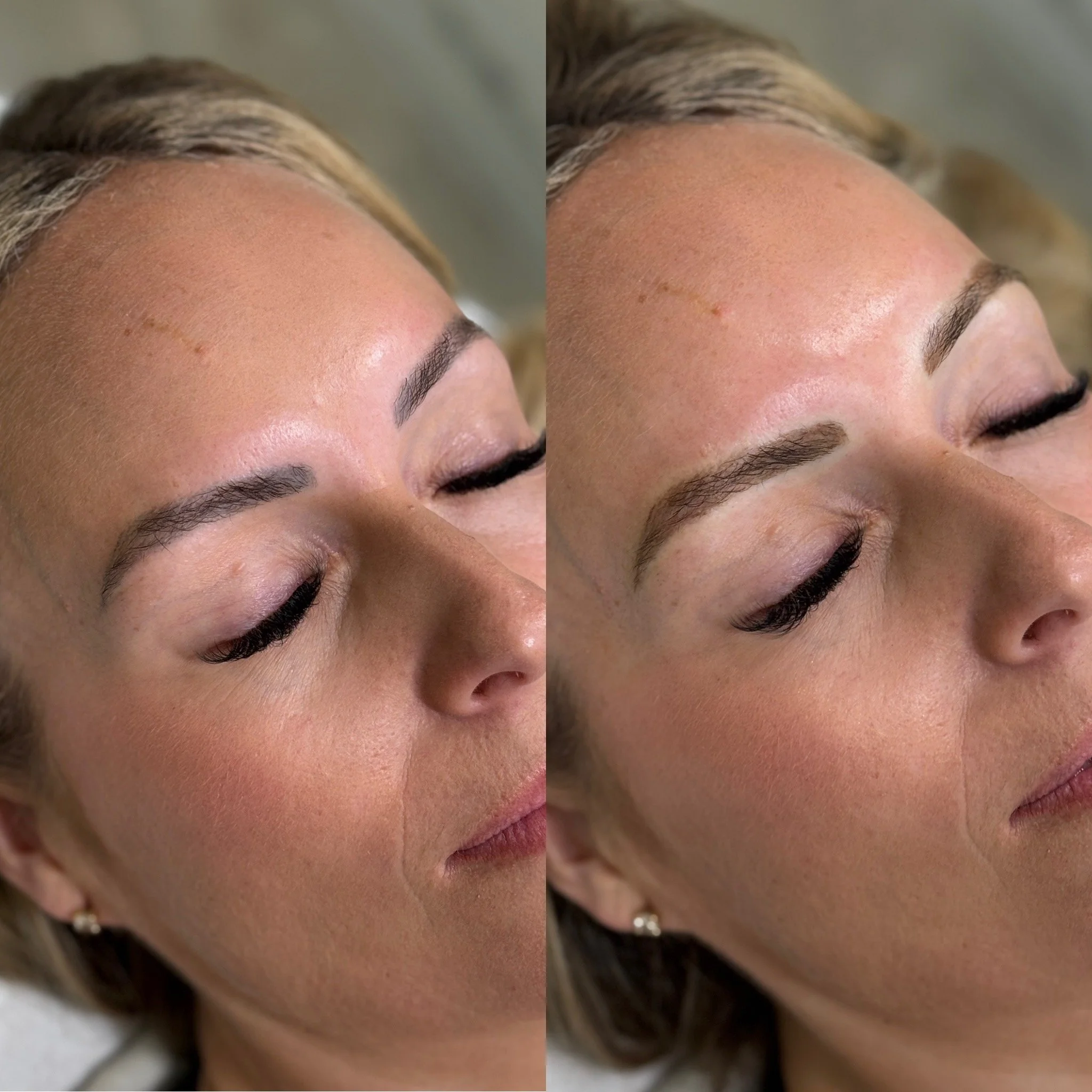
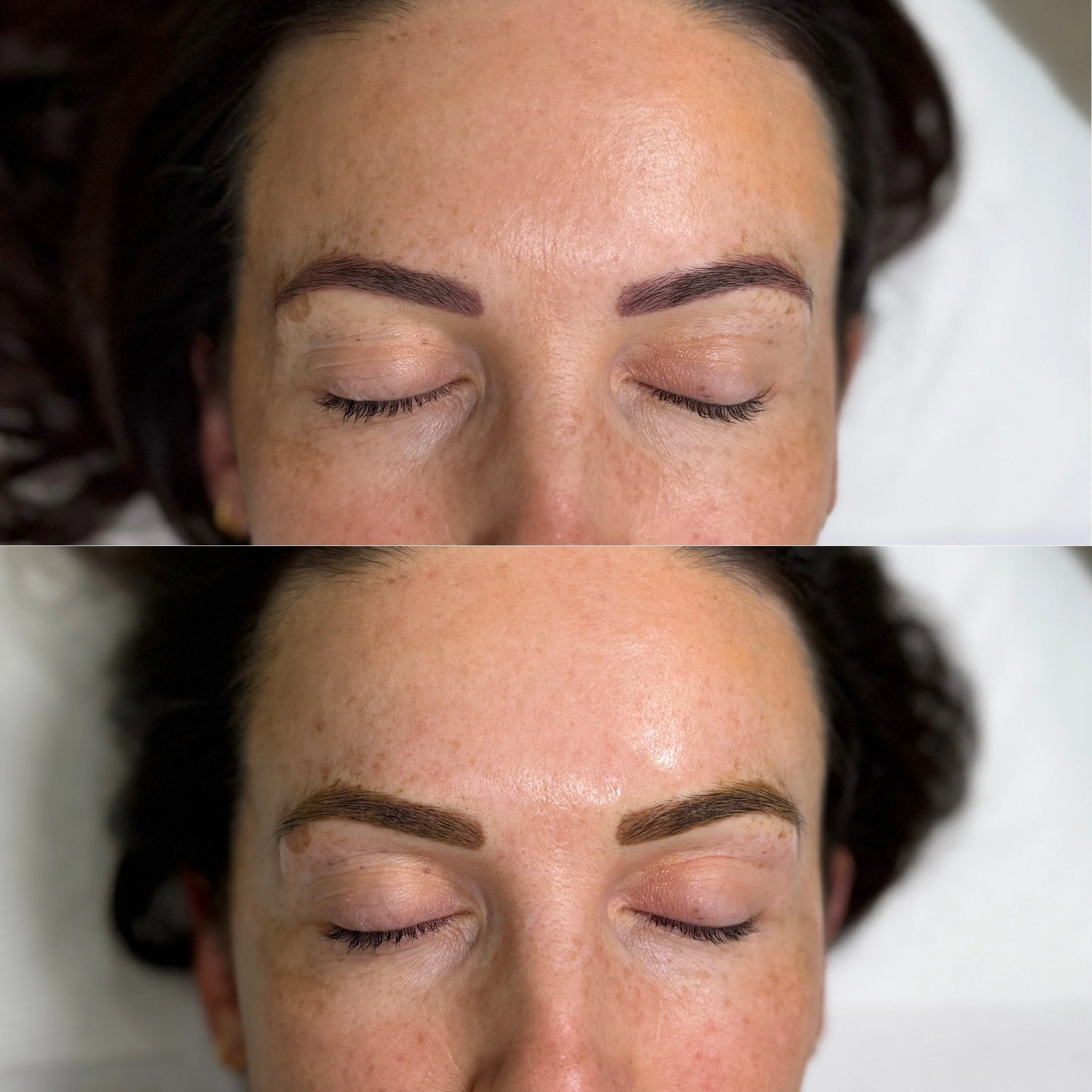
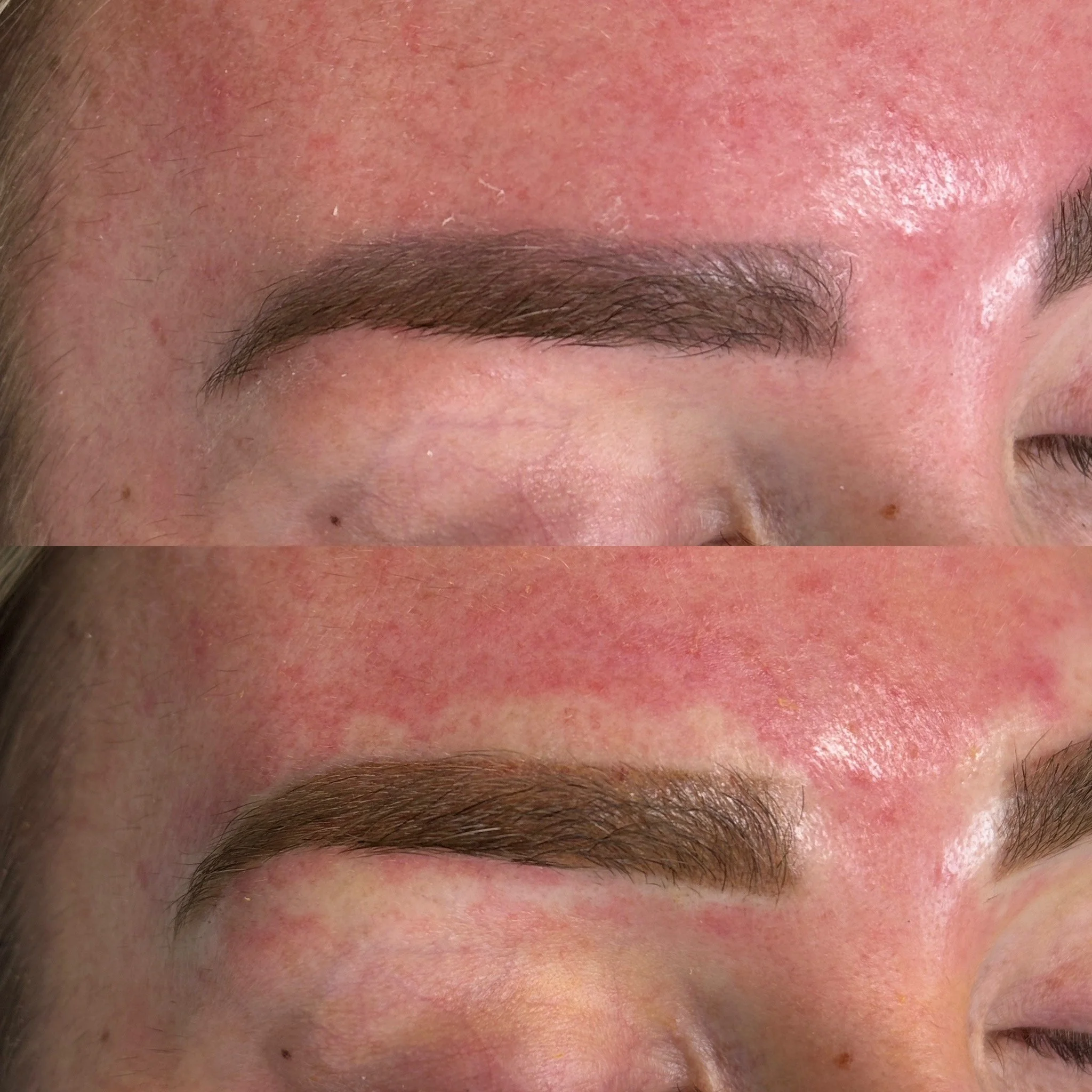
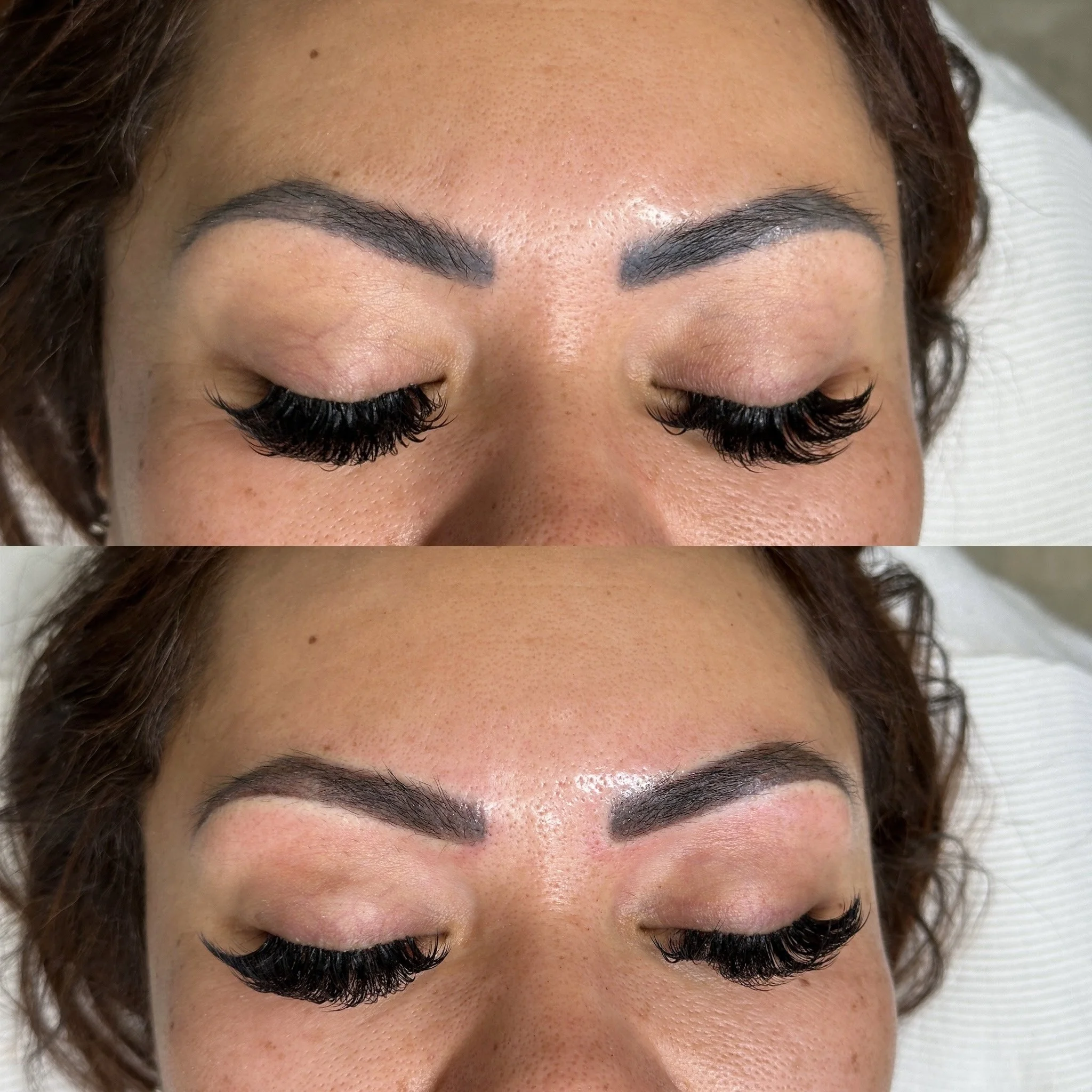
Colour correction is a cosmetic tattoo treatment designed to neutralise unwanted tones in the brows caused by previous tattooing. If your brows have faded to grey, blue, red, or ashy tones, specialised pigments are used to rebalance the colour and restore a more natural appearance.

-
Colour correction is performed using a digital machine with a single needle to implant pigment into the skin over previous tattooing with specialised pigments to neutralise grey, blue, red, or ashy tones. The pigment is deposited in soft, controlled layers, creating tiny dots working like a veil bringing your brows back to brown.
A consult is required to ensure your existing pigment is assessed, and a corrective shade is selected specifically to your brows to balance and restore a more natural colour. As results build gradually, multiple sessions may be required for the best outcome.
-
PRO’S
Less invasive than tattoo removal
Suitable for all skin types and existing brow shapes
Delays the need for a touch-up
Allows you to spend less on tinting/dying your brows
CON’S
Results can vary depending on previous tattoo depth and pigment
Requires patience as results build gradually
Doesn’t address or adjust your shape
-
Colour correction is suitable for clients who have previously tattooed brows that have faded into unwanted tones such as grey, blue, red, or ashy hues. It’s a treatment made for people who are happy to only address the colour of their brows.
YOU ARE NOT ELIGABLE IF YOU ARE/HAVE:
Pregnant, breastfeeding or undergoing IVF treatments
Under the age of 18 (without parental consent)
Prone to Keloid or hypertrophic scarring
Type 1 Diabetic
Has cancer or is undergoing Chemotherapy or radiotherapy (or within the last 45 days)
Autoimmune disorders (eg. HIV, AIDS, Hepatitis, Syphilis etc)
Blood clotting disorders
Glaucoma and/or taking blood thinning medications
Severe skin conditions
Hypertension
Allergies to pigmentation, makeup and anaesthesia.
Has open wounds on or around the area to be treated
Currently on blood thinners or medications that increase bleeding time
If you have any of these medical conditions, you could be at risk during or after the cosmetic tattoo process, a doctors clearance must be provided.
-
Before coming for your cosmetic tattoo appointment, please ensure you are avoiding the following 2 weeks prior to your appointment:
Brow tinting/dying
Botox or other injectables (2-4 weeks to avoid migration of botox)
Solarium or overexposure to sunlight
Active cleansers or serums (eg. retinol, Accutane, AHA, Glycolic etc)
Chemical skin peels
Laser or IPL
STRICTLY avoiding blood thinners 24 hours before appointment such as caffeine, alcohol and blood thinning medication (clients should not stop blood thinning medication without doctors approval).
Avoid exercise the day of treatment.
Minimise water intake 3 hours prior to the appointment.
-
How to take care of your new brows
Before bed on the day of your brow treatment, gently rinse your brows with warm water and dab dry with a tissue or cotton round. Then apply a light layer of balm with a clean finger across both brows, against the direction of your hair.
From the second day onwards, apply the supplied balm 4 times a day with a clean finger until the balm is empty (7 to 10 days). It should be a light gloss over your brow so that your skin can still breathe. Try not to apply too much at once as your balm has to last minimum 7.
DO NOT use Vaseline, Bepanthen or any other products in the performed area! If you lose your balm, please contact Zoe for a replacement, as other creams and ointments can cause brows to heal differently.
-
Saunas and steam rooms for 7.
Swimming for 7 days.
Direct sunlight for 7 days.
Sweating the day of your appointment. Only minimal sweating for 7 days after.
Brow makeup, facials and peels for 3 weeks (brow powders can be used after 2 weeks).
Using products through your brows for 2 weeks (foundation, cleansers, exfoliants, moisturisers, sunscreens, serums).
-
Day 1 to 3: Any redness or irritation will subside after 24 hours. You will notice the colour of the pigment will intensify for the first 7 days. This is because the pigment sitting on the surface, and your skin has not healed yet. Just a reminder, the first 7 days will not be the true colour of your new brows as they have not completely healed yet.
Day 4 to 7: Your brows may feel itchy as the skin heals. Your pigment will start to lighten and soften from now.
Day 7 to 10: Expect a slight amount of flakiness as they heal. DO NOT scratch, pick or rub them, as this can cause the removal of your pigment. You must let any dryness or flakiness fall off on its own to ensure proper healing and pigment retention.
Week 2 to 3: If youve experienced flakiness, it will reduce about now and colour will lighten; it may even disappear. The colour has absorbed under the skin layer and will resurface in the following weeks as the skin cells repair.
Week 4 to 6: Colour can resurface, showing its true pigment. Brows may appear patchy or slightly uneven in some areas. In rare cases, the pigment may not retain well.
Week 6 to 8: Your brows will be fully healed and this is when you will know if you’d like another session of colour correction or if youre happy with your outcome.
Your new brow tattoo's retention and longevity can last 12 months or more on average until you will need a touch-up or another session of colour correction. This timing is depending on skin type, client lifestyle and care of brows. Exfoliation and sun exposure are the main factors that cause colour fading. Wearing an SPF50 daily (from 3 weeks post treatment) will help ensure your colour is protected from the sun.
Each client will respond to cosmetic tattoo differently in regards to healing time and required touch-ups/colour corrections. Most clients will need more than one session to achieve their desired result and colour retention. Everyone’s skin holds pigment differently and we wont know what your outcome will be until youve healed after your first colour correction treatment.